
The Nature Action Series spotlights global and national efforts to meet biodiversity goals, drawing on scientific insights and UNEP’s key publications. The series highlights innovative projects aligned with the Kunming-Montreal Global Biodiversity Framework, demonstrating practical solutions to the nature crisis. It aims to inspire global action and promote lasting impact by showcasing ongoing efforts to prevent, halt and reverse nature loss.
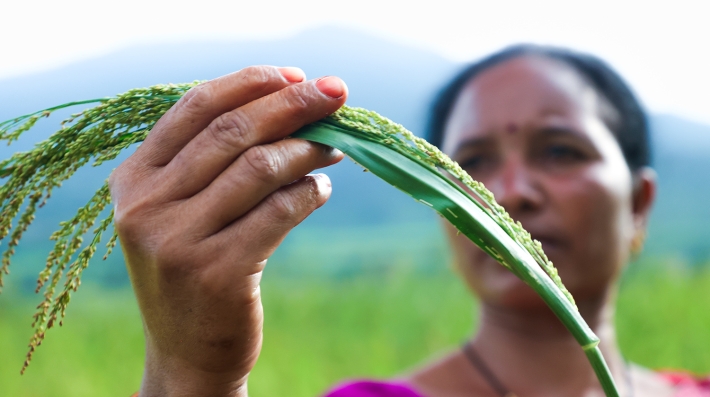
How natural farming is transforming food production in southern India
Natural farming in India is boosting crop yields, restoring soil health and biodiversity, and improving livelihoods for millions of small-scale farmers.
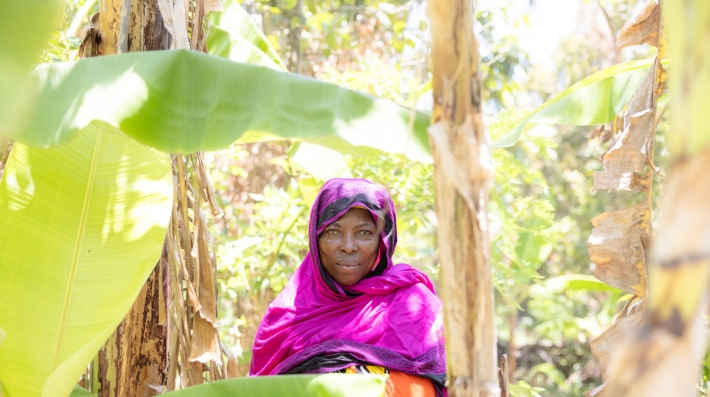
Comoros forest restoration offers a lesson in climate resilience
Forest restoration in the Comoros is helping communities tackle erosion, water scarcity and climate change.
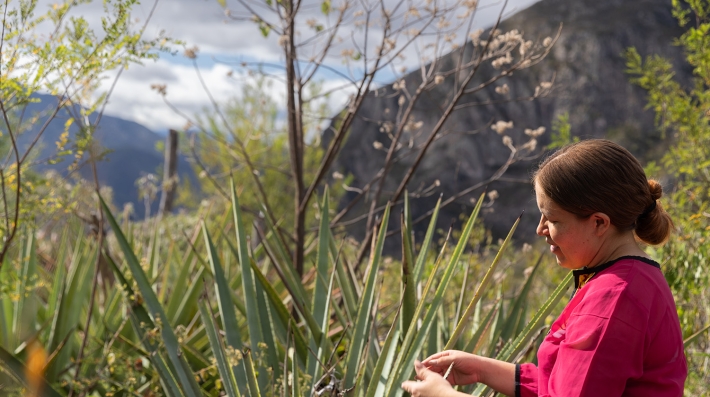
How sustainable agave farming Is reviving Oaxaca’s dry forests
In Mexico, underpinning the mezcal industry with sustainable agave production is crucial to long-term land health and livelihoods.
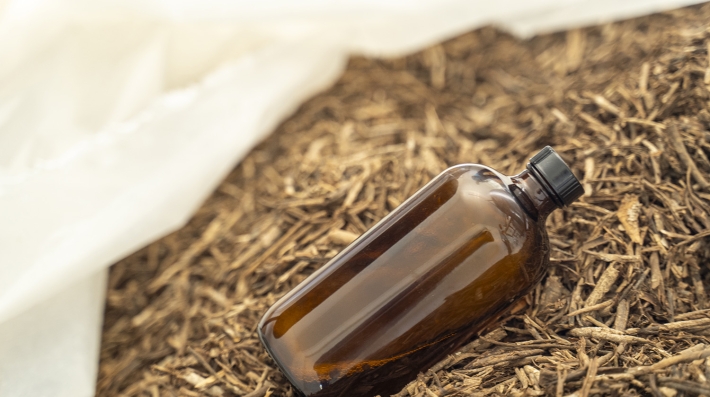
From tree bark to cocktails: How Cascarilla is transforming lives in the Bahamas
Producing a little-known but beloved cocktail ingredient, the Bahamian Cascarilla plant offers a more prosperous future for local island communities, if it is managed sustainably.
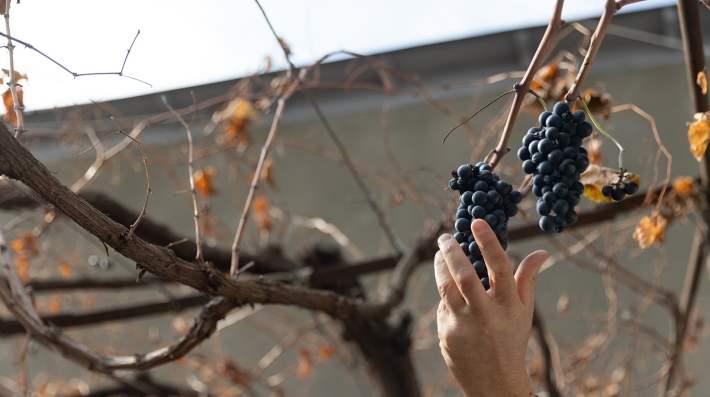
In Georgia, ancient grains and grapes are restoring farmlands – and traditions
In Georgia, ancient crops are reviving land and tradition while supporting livelihoods.
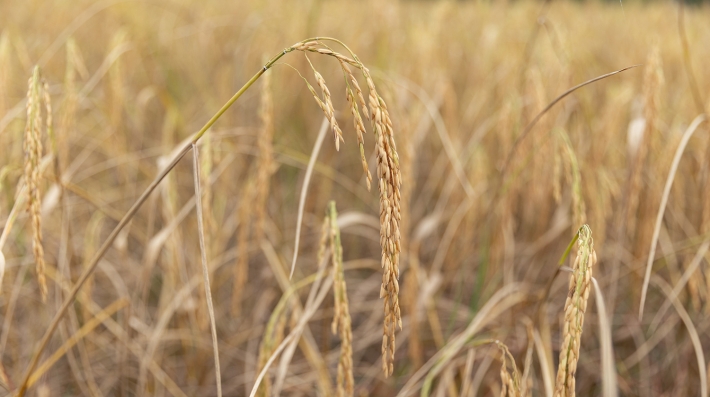
From field to forest, restoring rice in Ubon Ratchathani
Farmers are transforming Thailand’s rice fields through sustainable practices that are lowering costs, improving yields and protecting land.
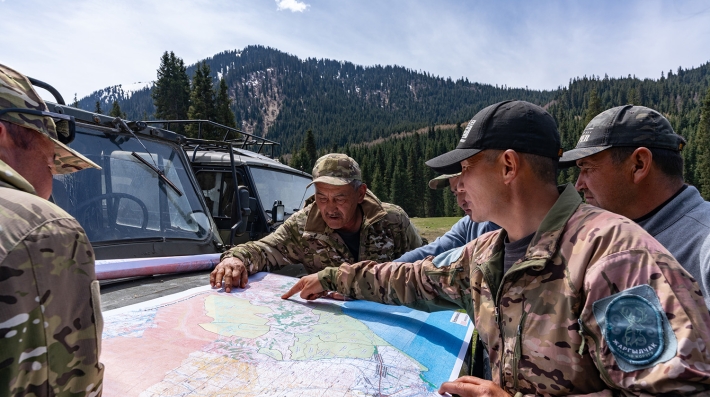
In Photos: Rangers race to save Central Asia’s ‘ghosts of the mountain’
Braving bone-chilling temperatures and rifle-armed poachers, their goal is to protect the snow leopards’ prey and habitat.
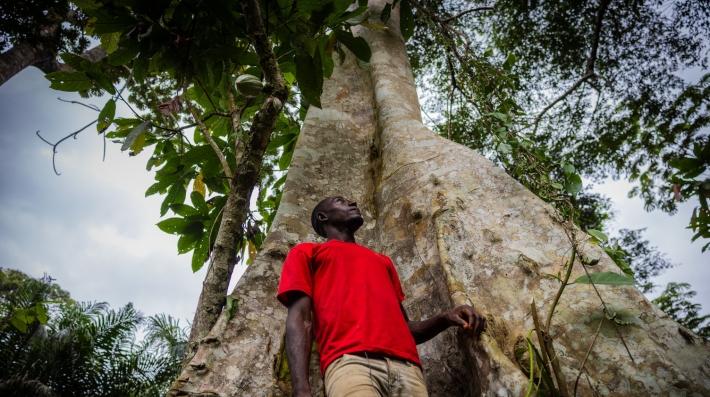
Can cacao farming, long a driver of deforestation, really become sustainable?
The push is part of a larger conservation effort led by UNEP. Its goal: to protect the fast-disappearing rainforests and peatlands of eight Congo Basin countries.
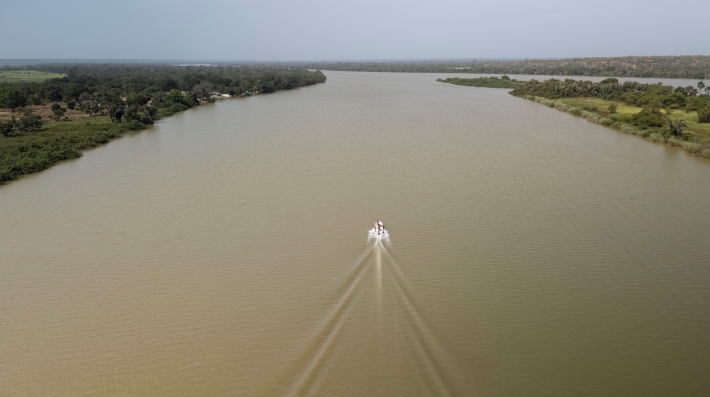
After years of decline, Gambia’s natural spaces are on the mend
The Gambia, with support from UNEP, has protected and restored 340 square kilometres of rivers, coasts and forests during the last five years. That is nearly 3 per cent of the country’s surface…

In Chile, wetlands spring back to life, bringing with them economic opportunities
A project backed by the Chilean government and UNEP is helping to revive the Cahuil wetland and kickstart economic growth.
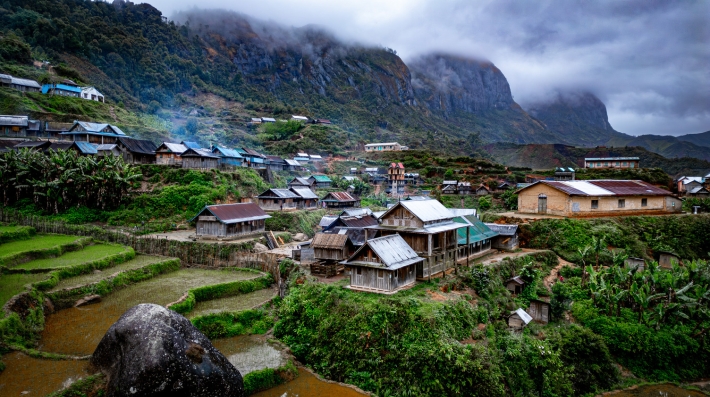
Can a network of “eco-villages” save Madagascar’s prehistoric biodiversity?
In Madagascar, one of the world’s largest biodiversity hotspots, local communities set up eco-villages that create sustainable livelihoods while protecting forests and the biodiversity they…
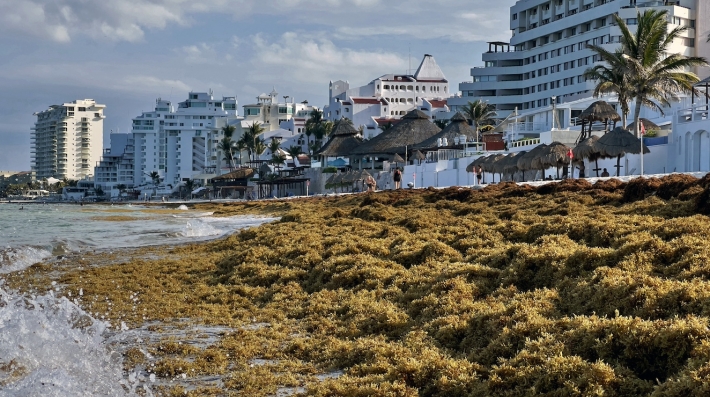
From ‘seaweed emergency’ to sustainable solutions
Sargassum seaweed is disrupting coastlines from Cancún to Tulum, where tourism accounts for nearly 90 per cent of GDP. UNEP and the Global Funds for Coral Reefs are collaborating on sustainable…